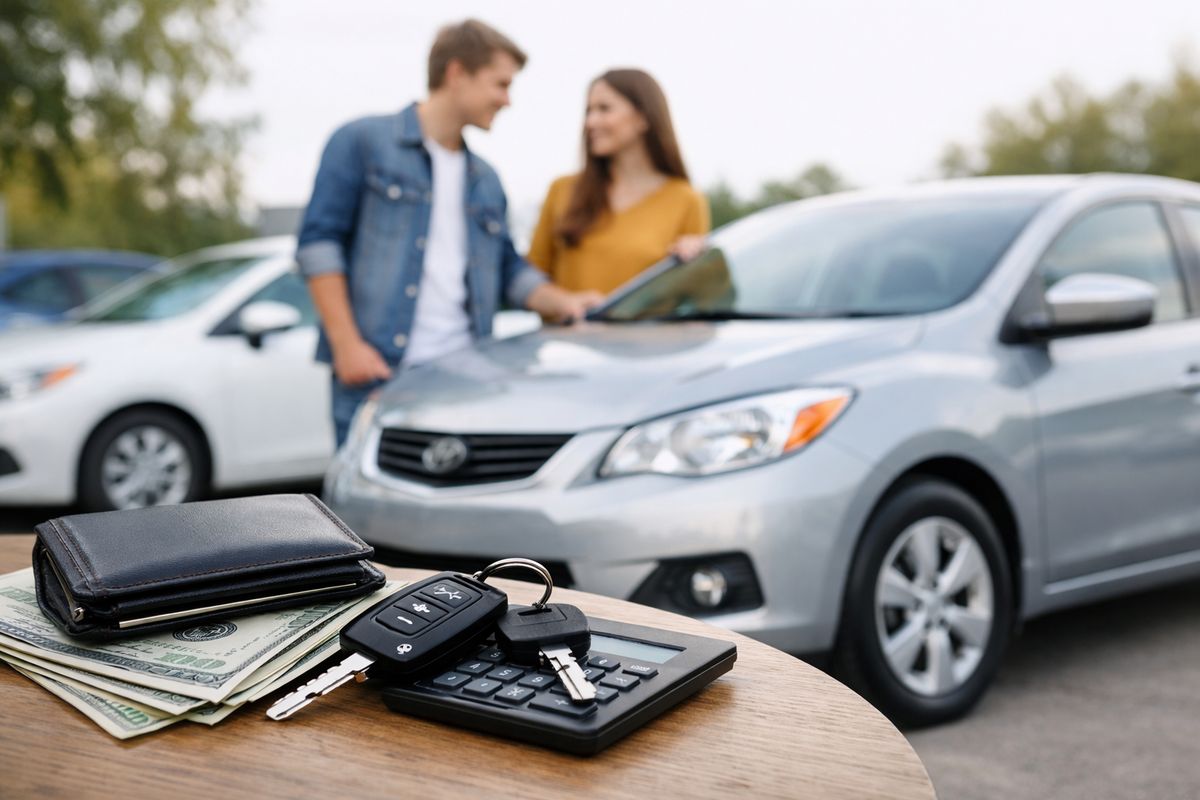
Shopping for budget first cars in Vancouver can get frustrating fast. One listing looks cheap until insurance crushes the monthly budget, another seems perfect until parking it near Metrotown feels like threading a needle. Here’s the short version: the smartest first car is usually the one that stays boring in the best possible way, starts every morning, sips fuel, and doesn’t punish you for small mistakes.
Quick picks at a glance
Before getting into the full breakdown, here’s the fast scan. Prices below reflect common used asking ranges in Metro Vancouver, not fantasy numbers from three years ago.
Car Estimated used price in Metro Vancouver Fuel economy Reliability reputation Insurance-friendliness Best for Toyota Corolla $8,000 to $22,000 Excellent Excellent Good Best overall safe bet Honda Civic $8,500 to $24,000 Excellent Very good Fair to good Value with a little fun Mazda3 $7,500 to $21,000 Good to excellent Very good Good Nicer feel on a budget Hyundai Elantra $6,500 to $20,000 Excellent Good Good Newer features for less Toyota Yaris $6,000 to $15,000 Excellent Excellent Very good City driving, tight budgets Honda Fit $8,000 to $19,000 Excellent Very good Good Small-car practicality Nissan Sentra $6,000 to $18,000 Good to excellent Mixed by year Good Lowest purchase price
If you want the easiest answer, start with the Corolla. If your budget is tighter and downtown parking is part of daily life, the Yaris deserves a hard look.
How these budget first cars were picked
The filter here is simple: low buy-in, a decent track record, parts that are easy to find, fuel costs that won’t sting, and safety features that still feel current enough for real life. A first car does not need to impress anybody. It needs to survive rainy commutes, stop-and-go traffic on Kingsway, awkward left turns, and the occasional rough parking attempt without turning every month into a repair story.
Lower Mainland reality matters more than spec sheets. A car that feels fine in a wide suburban lot can feel annoying in a cramped underground stall. A vehicle that looks cheap up front can stop being cheap the second insurance, tires, brakes, and fuel enter the picture. That’s why total cost beats sticker price every time.
What actually matters in a budget first car
Start with ownership cost, not just purchase cost. A cheaper car that needs tires, brakes, and a battery in the first six months is not a bargain. Depreciation just means how quickly a car loses value over time, and on an older used car, a lot of that drop has already happened. That’s good news for your wallet.
Visibility matters more than flashy features. Big windows, simple controls, and a car you can place easily in traffic will make daily driving less stressful. So will a hatchback or compact sedan that fits cleanly into city parking spots. If you’re stuck choosing between a sunroof and lower insurance, take lower insurance every single time.
Trim is just the version of the car, like base, mid-level, or fully loaded. Don’t get distracted by trim names. Condition matters more. Mileage matters too, but not in isolation. A well-kept car with solid records can beat a lower-kilometre neglected one, especially once you understand how age and kilometres really trade off.
Toyota corolla - best all-around safe bet
The Corolla keeps landing on first-car shortlists for one reason: it usually makes life easier. It’s the definition of turn-the-key-and-go transport, and that’s exactly what you want when your budget has no room for surprises.
Key features
You’re getting a compact sedan with a long reliability reputation, excellent fuel economy, and controls that make sense right away. Newer used Corollas can include helpful safety tech like lane departure warning, automatic emergency braking, and adaptive cruise, though features vary a lot by year and trim. The local used market usually has plenty of Corollas, which helps when you want options instead of settling for the first half-decent listing.
Pros and cons
The upside is easy to understand: low running costs, strong resale, good fuel use, and no weird ownership drama. Parts are common, independent shops know them well, and insurance is usually manageable.
The catch is the Toyota tax. Because everybody wants a Corolla, prices often stay higher than expected. A ten-year-old Corolla with average kilometres can still cost enough to make you pause.
Pricing
In Metro Vancouver, older Corollas from the late 2000s to early 2010s often sit around $8,000 to $12,000, depending on kilometres and condition. Mid-2010s examples commonly land in the $13,000 to $18,000 range. Newer used models with lower mileage and better safety tech can push past $20,000 pretty quickly, especially in nicer trims.
Verdict
If you want the least complicated first-car experience, start here. It is one of the smartest places to spend your money when reliability matters more than personality.
Honda civic - best if you want value that still feels a little fun
The Civic is what happens when practical transportation gets just enough personality to avoid feeling dull. It handles daily driving well, but it also feels a bit sharper when the road opens up.
Key features
You’re usually getting efficient engines, a comfortable cabin, solid parts availability, and a driving feel that’s a little more alert than a lot of rivals. A well-kept Civic can last a long time, and it still feels grown-up enough for commuting, school, and weekend errands without apology.
Pros and cons
Fuel economy is strong, resale stays healthy, and everyday comfort is good. The Civic also tends to feel a little nicer to drive than economy-car stereotypes suggest.
But there are tradeoffs. Used demand is high, so clean examples are rarely cheap. Insurance can run higher on some years, and certain older Civics have theft appeal, which is not the kind of popularity you want.
Pricing
Older Civics with higher kilometres often start around $8,500 to $12,000. Cleaner mid-2010s cars can land between $13,000 and $18,000. Newer used examples with low kilometres can move well into the low-$20,000s, especially in the Lower Mainland where clean Hondas get snapped up fast.
Verdict
If you want one car that can do almost everything and still feel a little lively, the Civic earns its spot. It’s practical without feeling sleepy, which is a nice balance for a first car.
Mazda3 - best for drivers who want a nicer feel on a budget
Here’s where it gets interesting. The Mazda3 often feels more polished than the price suggests, which is rare in the used compact market. If you want a budget first car that doesn’t feel stripped down, this is a strong pick.
Key features
You get tidy steering, a cabin that often looks and feels a step above other economy cars, decent fuel economy, and good safety scores on many model years. The hatchback version is especially useful if your life includes gym bags, gear, or the occasional IKEA box run.
Pros and cons
The best part is simple: it’s enjoyable without being expensive-looking or impractical. It can make everyday driving feel less like a chore.
The catch is rear-seat space, which can feel snug. Older examples also deserve a careful rust check, especially in wet climates where neglected paint chips and wheel arches can turn ugly.
Pricing
Older Mazda3 sedans and hatchbacks often start around $7,500 to $11,000. Mid-range examples usually sit between $12,000 and $17,000. Newer, cleaner hatchbacks can climb toward $20,000 or more. Maintenance history matters more than fancy trim, so don’t overpay for a sunroof if the service records are thin.
Verdict
If you want a car that feels a little nicer every time you drive it, the Mazda3 is easy to like. It’s especially good when you want budget-friendly ownership without the bare-bones vibe.
Hyundai elantra - best for newer features at a lower buy-in
The Elantra is the value play. You often get a newer model year, more tech, and a more modern-looking cabin for the same money that buys an older Corolla or Civic.
Key features
Fuel economy is strong, the cabin is roomy for the class, and newer used models can offer driver-assist features that used to be luxury stuff. Touchscreens, backup cameras, and heated seats show up more often here at lower price points, which matters on wet winter mornings.
Pros and cons
The appeal is obvious: more car for the money, at least on paper. You can often get newer styling and better tech without stretching your budget too far.
The downside is long-term durability can vary more by year than with Toyota or Honda. Service history matters a lot. If records are patchy, walk away. If you’re comparing monthly costs, it also helps to look at cars that keep insurance more manageable locally.
Pricing
Older budget-friendly Elantras can start around $6,500 to $10,000. Mid-2010s cars often fall in the $11,000 to $15,000 range. Newer used examples with lower kilometres and better feature sets often sit between $16,000 and $20,000.
Verdict
If you want the newest-feeling car your budget can realistically reach, the Elantra makes a lot of sense. Just be pickier about maintenance records than you would with a Corolla.
Toyota yaris - best for city driving and tight budgets
If downtown parking already stresses you out, the Yaris starts making sense immediately. It’s small, simple, cheap to run, and weirdly relaxing in the city.
Key features
You’re getting excellent fuel economy, Toyota dependability, compact dimensions, and easy maneuverability. Some hatchback versions add useful cargo flexibility without making the car feel any larger to park.
Pros and cons
The good stuff is exactly what you’d expect: low running costs, easy parking, and a reputation for hanging in there. In a city environment, that counts for a lot.
The tradeoff is power, or the lack of it. Older Yaris models can feel noisy at highway speeds, and the cabin can be pretty basic. Nobody buys one for luxury. That’s fine.
Pricing
Older Yaris models with life left in them often sit between $6,000 and $9,500. Cleaner, lower-kilometre hatchbacks can edge into the $10,000 to $15,000 range. Hatchbacks sometimes cost a little more simply because more shoppers want the flexibility.
Verdict
If your top priorities are low cost, easy parking, and simple transportation, the Yaris is one of the best answers on this list. It does the job without drama.
Honda fit - best for small-car practicality
The Fit is a clever little thing. Tiny outside, surprisingly useful inside, and way better at hauling stuff than it has any right to be.
Key features
Visibility is excellent, fuel economy is strong, and the hatch design makes everyday life easier. The rear seats in many Fits fold in smart ways, which helps with backpacks, groceries, Costco runs, or moving boxes. If you’re deciding between body styles, it helps to think through how a hatch or sedan fits your budget and routine.
Pros and cons
The upside is practical magic. You get city-friendly size without sacrificing usefulness, which is rare.
The downside is ride quality can feel firm, highway noise is noticeable, and resale stays strong enough that prices do not always feel like a bargain. Clean Fits also sell quickly.
Pricing
Older Fits often start around $8,000 to $11,000. Mid-2010s examples usually land between $12,000 and $16,000. Later models in strong condition can push toward $18,000 or $19,000, especially if kilometres are low and maintenance is well documented.
Verdict
If you want one small car that can handle more cargo than expected, the Fit is one of the smartest buys out there. It’s practical in a way that keeps paying you back.
Nissan sentra - best if purchase price is your top priority
The Sentra gets attention because the sticker price often looks better than a comparable Corolla or Civic. That can be useful, but only if you choose carefully.
Key features
Cabin space is decent, the ride is comfortable, and newer used models may include safety tech that helps the car feel more current. Used pricing is usually one of the biggest reasons to look at a Sentra in the first place.
Pros and cons
The value upside is real. For the same money, you can often get a newer year or more features than with Honda or Toyota rivals.
But here’s the problem: certain model years are known for transmission concerns, especially with CVTs, which is the automatic transmission type used in many Sentras. That means service history is not optional. It’s the whole story. A proper mechanical check before you buy matters even more here.
Pricing
Older Sentras can start around $6,000 to $9,000. Mid-range used models often land between $10,000 and $14,000. Newer examples with lower kilometres still tend to undercut Civic and Corolla pricing, often coming in around $15,000 to $18,000.
Verdict
If purchase price is your biggest concern, the Sentra can work. Just be selective about year, condition, and records. This is not the car to buy on vibes alone.
Used-car costs to budget for before you buy
The sale price is just the cover charge. Insurance, fuel, winter tires, oil changes, brakes, tax, and the first surprise repair all show up soon enough. A good rule is to leave room for a repair cushion right away, because the first set of brakes always seems to appear at the worst possible moment.
Fuel economy matters more in the Lower Mainland than a quick test drive suggests. Stop-and-go traffic eats efficiency. Insurance can vary enough between models that you should get quotes before committing. Maintenance history can save you money too, especially if the previous owner handled basic items on time. If you need a deeper look at recurring upkeep, start with small maintenance jobs that actually cut costs.
How to choose the right first car for your life in vancouver
Match the car to your routine, not your fantasy self. If you mostly drive around Vancouver, Burnaby, and Richmond, a Yaris or Fit can make daily life easier. If your commute includes bridge traffic and longer highway stretches, a Corolla, Civic, or Mazda3 will feel calmer at speed.
Rainy weather and dark winter evenings make visibility and good tires matter more than flashy tech. If your life includes North Shore trips or hauling gear, a hatchback can be worth more than extra horsepower. If the budget is very tight, it may help to compare this list with other strong sub-$10,000 options in the city.
Smart shopping tips for the lower mainland used market
Local listings move fast, especially for clean Japanese compacts. Don’t confuse fast-moving with fairly priced, though. Some sellers price like the car is made of gold because it has low kilometres and one set of floor mats.
Check the claims history, verify maintenance records, and book an inspection before money changes hands. A proper test drive should include real traffic, rough pavement, braking, parking, and highway speed if possible. Five minutes around a quiet side street tells you almost nothing. If a listing feels off, compare it against the common signs a used car is priced too high.
Final shortlist: the best budget first cars by priority
If you want the best overall pick, get the Toyota Corolla. If you want the lowest running-stress ownership experience, it’s still the Corolla.
If low running costs and easy parking matter most, get the Toyota Yaris. If cargo flexibility is a big deal, get the Honda Fit. If you want the newest-feeling features for the money, get the Hyundai Elantra. If you want a more enjoyable drive without blowing the budget, get the Mazda3. If the sticker price is the main thing, look at the Nissan Sentra, but only after a careful inspection and records check.
The trick is to choose the car that fits your real week, not the one that looks best in a listing photo. Try that filter first, and your shortlist usually gets a lot simpler.
Frequently asked questions
What is the best first car on a tight budget?
If your budget is tight but you still want the safest all-around choice, the Toyota Corolla is the easiest answer. If the budget is even tighter and city driving is your main use, the Toyota Yaris is often the better fit.
How much should you spend on a first used car?
A practical range in Metro Vancouver is often about $8,000 to $15,000 for a solid older compact, though newer used models can push higher. The smarter move is to keep money aside for insurance, tax, tires, and at least one early repair.
Is high mileage okay for a first car?
Yes, if the car has been maintained properly. Service records, condition, and how the car drives matter just as much as the odometer. A clean, cared-for car with higher kilometres can be a better buy than a neglected one with lower kilometres.
Which first cars are usually cheapest to insure?
Small, sensible models like the Toyota Yaris and Toyota Corolla often land on the friendlier side of insurance costs. Trim level, driver history, and location still affect the final number, so always check quotes before buying.
Should you buy from a dealer or a private seller?
Both can work. Dealers may offer more paperwork support and a smoother process, while private sellers can sometimes offer lower prices. The real difference comes down to condition, history, inspection, and whether the asking price makes sense.