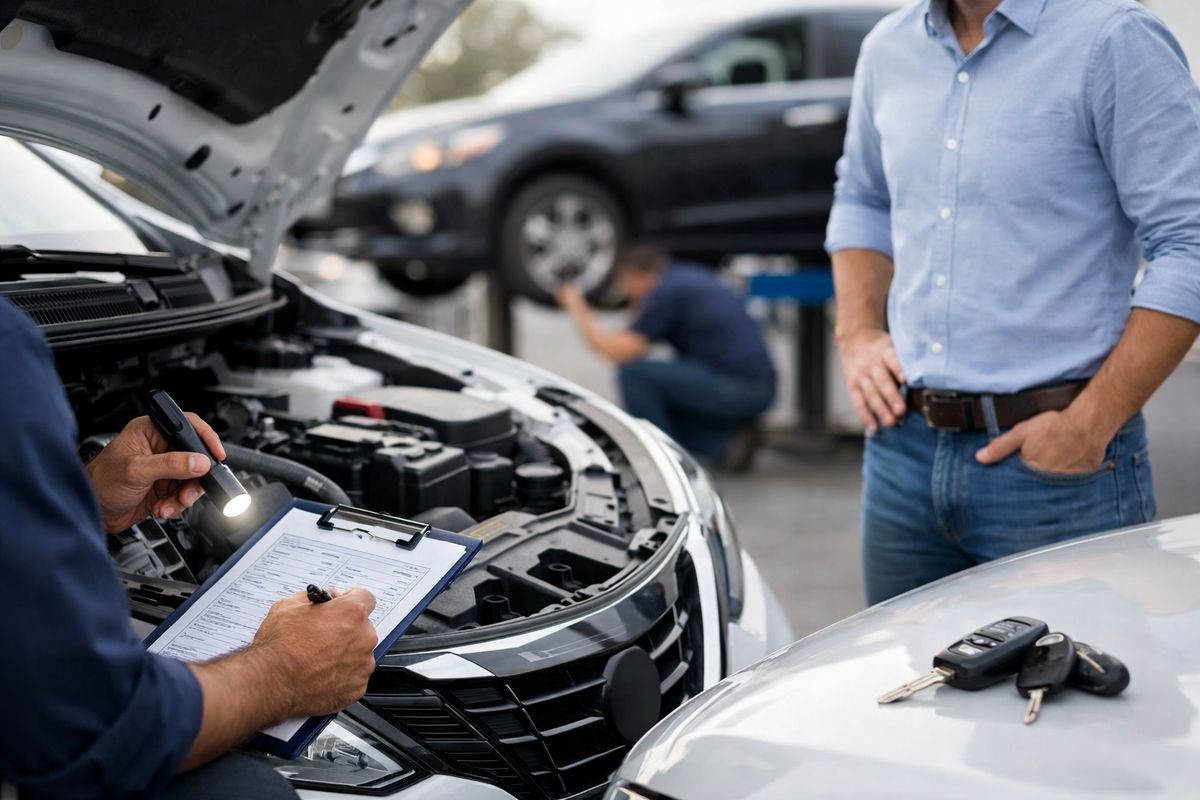
A pre-purchase vehicle inspection is one of the smartest ways to answer the question, “do I need a vehicle inspection?” before a used car becomes your problem. If you’re shopping around Vancouver or the Lower Mainland, where a car can look spotless in a Surrey parking lot and still hide expensive issues underneath, an inspection is not extra caution. It’s basic self-defense.
What a vehicle inspection before you buy actually is
A vehicle inspection before you buy is an independent check of a used car’s condition before money changes hands. Think of it like getting a home inspected before buying a condo, except faster, cheaper, and a lot easier to arrange.
The point is simple: you want somebody with a lift, tools, and experience to look at the car without any emotional attachment to the sale. That matters because a test drive tells you how a car feels for a few minutes, but it does not tell you everything going on underneath, behind the wheels, or inside the computer systems.
This is also different from a seller saying, “It runs great.” It is different from a dealership’s in-house check. And it is different from any government inspection tied to registration or compliance. A pre-purchase inspection is for you, your risk, and your money.
The short answer to “do I need a vehicle inspection?”
Yes. If you’re buying a used vehicle, you should get it inspected.
That answer is especially true if you are buying private-party, buying older, buying high-kilometre, or buying anything with even a slightly complicated backstory. An inspection helps you catch expensive problems before you own them, which is a lot cheaper than discovering them a week later when the excitement wears off and the repair quote lands.
Why a test drive Isn’t enough
A test drive is useful, but it is nowhere near enough on its own. A car can accelerate fine, brake fine, and feel perfectly normal for 20 minutes while still hiding problems that cost thousands.
Here’s the thing: used cars are very good at passing a casual glance. A cleaned interior, shiny tires, and a smooth drive around the block can create a false sense of security. That is how people end up buying a car that “felt great” and then finding out the brakes are thin, the tires are wearing unevenly, and the underside tells a very different story.
Problems you usually won’t catch on your own
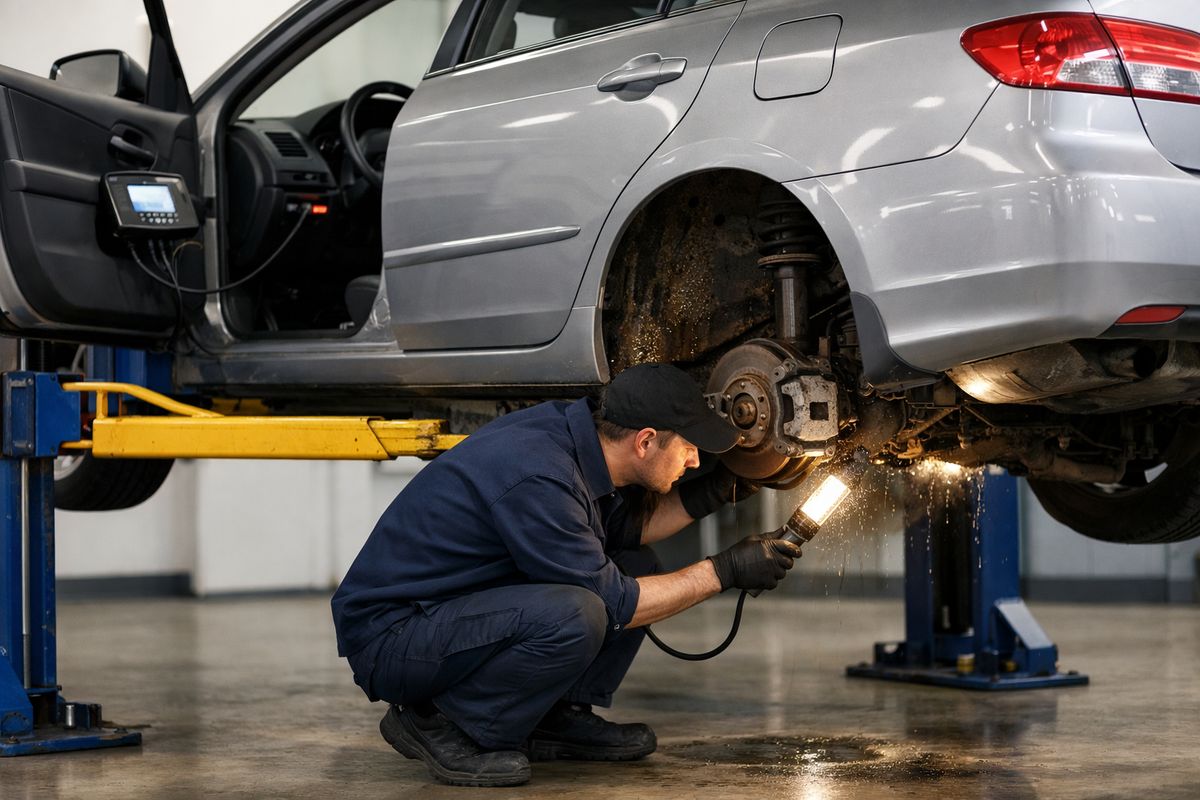
Without a proper inspection, you will usually miss the stuff that requires a lift, a scan tool, or trained eyes. That includes oil leaks, coolant leaks, worn suspension parts, hidden collision damage, brake wear, steering issues, charging problems, and tire wear patterns that point to alignment or suspension trouble.
You can also miss stored warning codes. Some problems do not light up the dash clearly during a short drive, but a shop can still find them through a computer scan. That matters because modern used cars are rolling networks of sensors. If one system is quietly complaining, you want to know before signing anything.
If you want a more detailed breakdown of early warning signs, it helps to review what to check before getting too far into a deal.
Why used cars in vancouver and the lower mainland deserve a closer look
Local conditions add another layer. Rain, moisture, bridge commutes, stop-and-go traffic, steep hills, and winter trips toward the mountains all leave wear in places you may not notice in a parking lot in Burnaby, Richmond, or Langley.
Moisture can accelerate rust and underbody corrosion. Hills can be hard on brakes and transmissions. Constant short trips and traffic can wear suspension and steering components faster than you might expect. Even if a car looks nice in photos, local driving conditions can quietly add stress over time.
When you absolutely should get an inspection
Some situations are not gray areas. Skipping an inspection here is a bad bet.
Private-party sales
Private sales are where inspections matter most. There is usually less process, less paperwork support, and less protection than you get from a dealership. That does not mean private sellers are dishonest. It just means you are relying more heavily on your own checks.
If you are still deciding where to buy, it helps to understand the tradeoffs between buying from an individual or going through a lot. But no matter which route you take, private-party deals deserve extra caution.
Older vehicles or high-kilometre vehicles
The older the car and the more kilometres on it, the more likely something expensive is coming up. That does not automatically make it a bad buy. Plenty of older cars are solid. But age and mileage increase the odds that brakes, suspension, tires, belts, hoses, battery systems, or fluid leaks will need attention soon.
That is why an inspection matters even more on a budget car. A cheap price can stop feeling cheap very fast if you need immediate repairs. If you are weighing age against odometer numbers, take a look at what matters more between years and kilometres.
Rebuilt, imported, or recently repaired vehicles
Rebuilt vehicles deserve extra scrutiny. In plain English, rebuilt status usually means the car was previously written off, then repaired and put back on the road. Sometimes the repairs are fine. Sometimes they are not.
The same goes for imported vehicles, cars with fresh bodywork, or listings that say “just fixed” or “needs nothing.” Those details should make you more curious, not less. A proper inspection can uncover signs of past collision damage, poor repair quality, corrosion, and other problems that a nice exterior can hide. If that kind of car is on your radar, it is worth learning more about the risks behind a rebuilt-title purchase.
When an inspection may matter less , but still helps
There are situations where the risk is lower. Lower is not the same as gone.
Certified or dealer-sold vehicles
Dealer inspections and certified programs can be useful. Sometimes they are quite thorough. But the catch is that those checks are still part of the sales process. A truly independent inspection is the one done by somebody working for you, not for the transaction.
That does not mean dealer-sold cars are suspect by default. It means an outside opinion is still the cleanest way to verify condition if the price is significant or the vehicle has any question marks.
Nearly new vehicles with full records
A newer car with warranty coverage and a complete maintenance history carries fewer unknowns. If service records are organized, mileage is low, and the car is still close to factory coverage, the odds of a nasty surprise are lower.
Still, paperwork cannot show everything. An inspection can catch accident repairs, curb damage, tire wear, neglected maintenance, or underbody issues that a folder of receipts will never reveal. Think of records as helpful context, not proof that everything is perfect.
What a pre-purchase inspection usually covers
A good inspection should feel practical, not mysterious. You are paying to answer one question: what is this car likely to cost you soon?
Mechanical and safety items
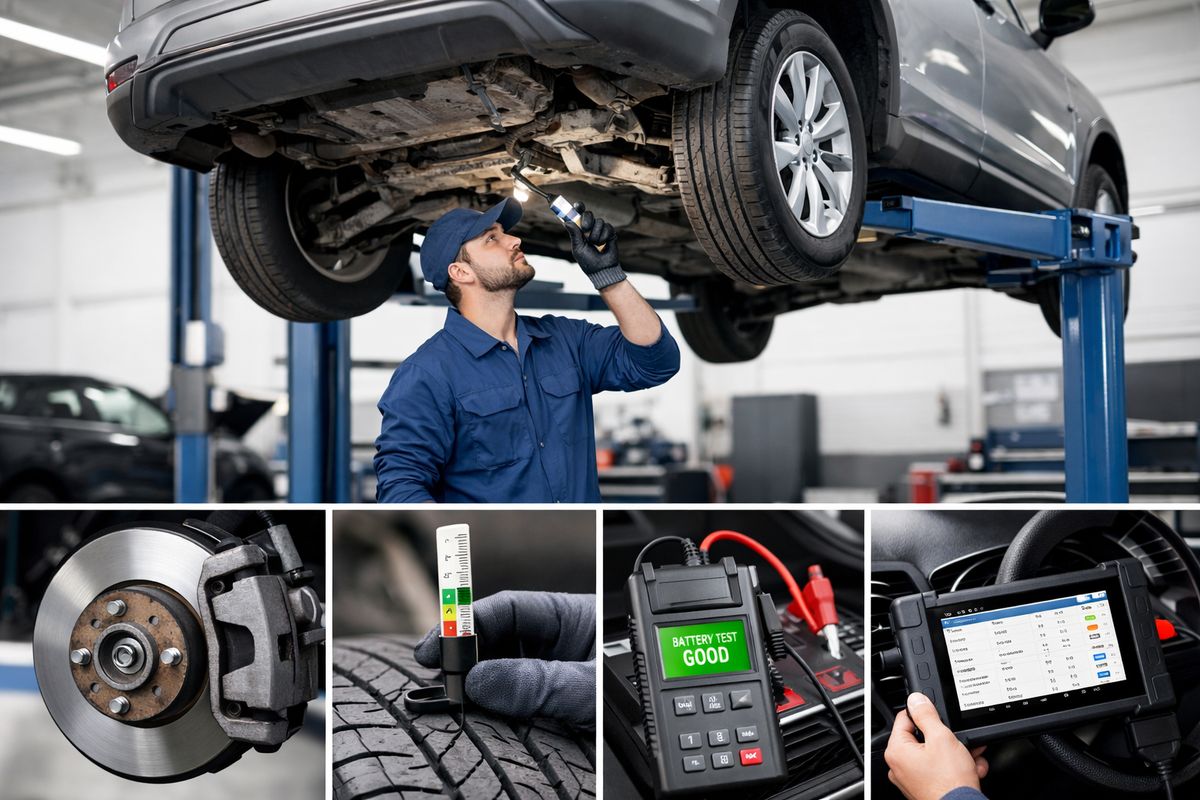
This is the money section. A mechanic will usually check brakes, tires, suspension, steering, engine condition, transmission behavior, fluid condition and leaks, battery health, belts, hoses, lights, and other basic safety items.
In plain English, this is the part that tells you what may need repair right away, what can wait a bit, and what looks normal for the age and mileage. That distinction matters because not every flaw is a dealbreaker. Some are just negotiation material.
Body, frame, and rust check
Shops also look for signs of collision damage, poor body repairs, rust, corrosion, and uneven panel gaps. If the hood and fender lines do not sit evenly, or the paint looks slightly off in one area, that can point to previous repair work.
In the Lower Mainland, underbody condition matters more than many buyers expect. Moisture and road grime can do quiet damage over time, especially if the car has seen mountain trips or long-term outdoor parking.
Computer scan and road test
A proper inspection often includes a diagnostic scan and a road test. The scan checks for stored trouble codes, even if the dash is not lighting up like a Christmas tree. The road test helps spot vibration, alignment issues, unusual noises, rough shifting, weak braking feel, or steering pull.
That combination matters because some problems only show up when the car is moving, while others only show up when the car is plugged into the right tool.
What an inspection does not tell you
An inspection is powerful, but it is not magic. You want a clear snapshot, not a crystal ball.
It won’t predict every future repair
Parts can still fail later, especially on older cars. A vehicle can pass inspection and still need a battery in three months or a sensor six months later. That is normal.
The value of the inspection is not that it guarantees perfection. It reduces the odds of ugly surprises and helps you make a smarter decision with better information.
It may not include everything unless you ask
Not every inspection automatically includes specialty checks. Hybrid battery health, EV battery condition, compression testing, or detailed frame measurements may cost extra or require a specialist.
So if the car is a hybrid, EV, performance model, or anything unusual, make sure the shop is set up for that kind of inspection. A standard check is helpful, but only if it matches the vehicle in front of you.
How to arrange a vehicle inspection without making the deal awkward
Asking for an inspection is normal. It is not rude, dramatic, or a sign that you do not trust anybody. It is just part of buying carefully.
Ask before you get emotionally attached
Bring it up early. Not after a long negotiation, not after mentally picturing the car in your driveway, and not after convincing yourself it is “the one.”
That timing matters because emotions make people excuse problems. If you ask about an inspection near the start, you save time and avoid getting pulled into a deal before the facts are clear.
Choose an independent shop nearby
Pick a reputable local shop close to the seller when possible. If the car is in Coquitlam, try not to suggest a place an hour away in North Vancouver unless there is a good reason. The easier the logistics, the easier it is to keep the process calm and reasonable.
If you are also checking background details, pair the inspection with a look at the vehicle’s past records in BC. Mechanical condition and history report information work best together.
Who pays, how long it takes, and what it usually costs
Usually, you pay for the inspection because you are the one asking for it. Most appointments take around one to two hours. The fee is small compared with surprise repairs, especially if the inspection saves you from buying the wrong car.
And if the report comes back clean enough to move forward, you can use that confidence when working out the final price. A good inspection is not just about avoiding bad cars. It also helps you negotiate good ones properly.
Red flags if a seller pushes back
Not every scheduling issue is suspicious. Some people are busy. Some shops are booked. That is normal. But certain responses should put you on alert fast.
“You don’t need one , it runs great”
A smooth sales pitch is not evidence. Neither is a clean cabin, fresh detailing, or a confident tone. Plenty of problem cars run “great” until the lift goes up.
If somebody insists the car is too good to inspect, treat that as a reason to inspect it even more.
“You can bring your friend instead”
A mechanically inclined friend can be helpful, but that is not the same as a professional inspection. A friend usually does not have a lift, a scan tool, or the ability to spot repair shortcuts underneath the car.
Think of it like asking a friend to glance at a roof instead of hiring a home inspector. Useful? Maybe. Enough? Not really.
Excuses that should make you walk away
Some excuses are really warnings in disguise. Refusal to allow an inspection, pressure to leave a deposit immediately, inconsistent maintenance records, or a story that keeps changing are all strong reasons to back out.
Here’s the simple truth: walking away is cheaper than inheriting somebody else’s problem. There will always be another listing.
How to use the inspection results
The inspection only helps if you use the results clearly. Do not overreact to every note, but do not ignore the expensive stuff either.
Green light, yellow light, or hard pass
A clean result is your green light. That means no major issues, normal wear, and nothing scary hiding underneath.
A yellow light means the car may still be worth buying, but you need to budget for repairs soon. Tires, brakes, minor leaks, or suspension wear often land here.
A hard pass means major damage, unsafe conditions, serious rust, transmission trouble, engine issues, or repair costs that ruin the deal.
Negotiate with the report, not your gut
If the inspection finds legitimate issues, use the report to ask for a lower price or repairs before purchase. Keep it factual. You are not arguing feelings. You are pointing to work that needs money.
That approach works better than instinct alone. If a car is already feeling expensive, it also helps to know how to spot a listing that is priced too high from the start.
Compare repair cost against the total deal
Always look at the full cost, not just the sticker price. That includes purchase price, taxes, insurance, immediate repairs, and near-term maintenance.
A cheaper car with $2,500 in immediate work can easily be worse value than a pricier car that needs almost nothing. The trick is to think in total ownership cost, not bargain-hunting adrenaline.
Common questions about vehicle inspections before buying
Is a vehicle inspection required in british columbia before buying?
Usually, no. A pre-purchase inspection is generally not a legal requirement for you as a buyer. It is a smart buying step, not something that must happen every time by law.
That said, legal and registration requirements can vary depending on the vehicle, the sale, and the paperwork involved. If you are getting close to closing the deal, it helps to understand the transfer steps and documents involved in BC.
Can you buy a car without an inspection?
Yes, you can. But you are taking on more risk.
If you skip the inspection, you are deciding to trust your own eyes, your test drive, and the seller’s version of events. Sometimes that works out. Sometimes it gets expensive.
Should you still get an inspection from a dealership?
Yes, especially on a used vehicle that is out of warranty, older than a few years, or priced high enough that a mistake would hurt. A dealer check is useful, but an independent inspection is still the cleanest second opinion.
What if the seller won’t allow an inspection?
Move on. That is the answer.
A seller who refuses a reasonable inspection request is asking you to take blind risk for no good reason. There are always other cars.
Frequently asked questions
How long does a pre-purchase inspection usually take?
Most inspections take about one to two hours, depending on the shop and the vehicle. Specialty vehicles or extra testing can take longer.
Is a mobile inspection enough?
Sometimes, but a shop inspection is usually better. A mobile service can be helpful for convenience, but a proper lift inspection at a shop gives a much better look at the underbody, suspension, leaks, and structural condition.
Can an inspection help you save money?
Yes. It can save you money by uncovering repair costs before you buy, and it can also give you solid ground for negotiating the price if the car is still worth purchasing.
Should you inspect a cheap used car too?
Absolutely. Low price does not protect you from expensive repairs. In fact, on lower-budget cars, inspection value can be even higher because there is less room for surprise costs.
What should you bring to the inspection appointment?
Bring the vehicle details, any maintenance records the seller has provided, and a list of concerns you noticed during the test drive. If something felt off, say so before the inspection starts.
The simple rule to follow before you buy
If you did not inspect it, you do not really know what you are buying. That is the rule.
The next time a promising listing pops up and you start imagining the deal is almost done, slow it down by one step and book the inspection first. That one move can save you thousands, spare you a lot of regret, and make the right car much easier to recognize when it finally shows up.