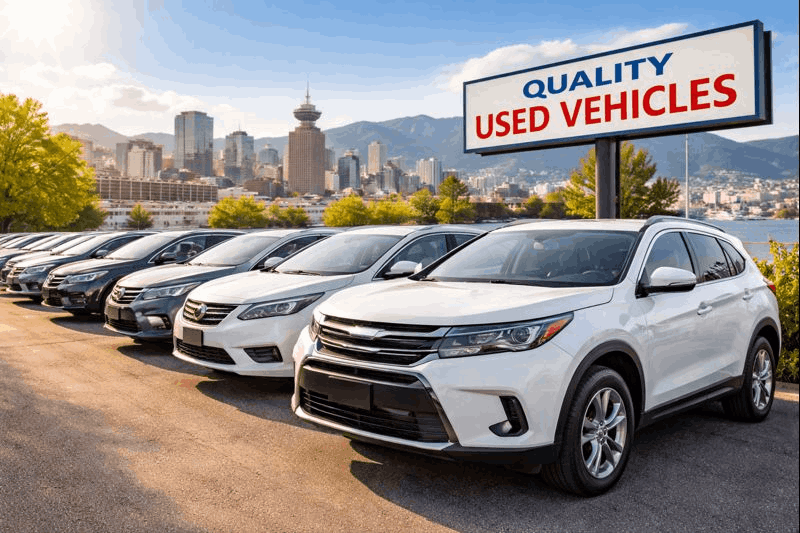
Buying Vancouver used vehicles is one of the most practical ways to own a reliable car without absorbing the steep depreciation that comes with buying new. However, Vancouver’s unique market conditions—high demand, wide inventory range, and specific British Columbia regulations—mean that buying used requires preparation, patience, and a structured approach.
This complete buyer’s guide is designed to walk you through every stage of the process. From understanding the Vancouver used vehicle market and setting a realistic budget, to inspecting vehicles, negotiating prices, and completing paperwork correctly in BC, this guide gives you the clarity you need to make confident decisions.
Whether you are purchasing your first vehicle, replacing an older car, or upgrading to something more practical, the goal is the same: reduce risk, avoid costly mistakes, and purchase a vehicle that fits your needs and budget.
Understanding the Vancouver Used Vehicle Market
Vancouver has one of the most competitive and active used vehicle markets in Canada. Demand remains strong due to a combination of economic, geographic, and lifestyle factors.
Why Demand Is High in Vancouver
Several factors consistently drive demand for used vehicles in Vancouver:
- The high cost of new vehicles, especially when combined with taxes and insurance
- Dense urban commuting where practicality and fuel efficiency matter
- Mild coastal climate that generally causes less extreme wear than harsher regions
- Strong resale value for well-maintained vehicles
Because of this, many used vehicles—especially those in good condition—sell quickly. Buyers who understand the market are better positioned to act decisively when the right opportunity appears.
Popular Vehicle Types in the Local Market
Certain vehicle categories perform particularly well in Vancouver:
- Compact and midsize sedans for daily commuting
- Small and midsize SUVs and crossovers
- All-wheel-drive vehicles for year-round confidence
- Hybrid and fuel-efficient models for cost-conscious drivers
Vehicles that combine practicality, reliability, and reasonable fuel costs tend to retain value and attract more buyer interest.
Price Expectations and Market Reality
Prices for Vancouver used vehicles can feel higher than expected, especially for low-kilometre, accident-free models. This is not necessarily overpricing—it often reflects strong demand and limited supply. Comparing multiple listings and understanding condition differences is essential before deciding whether a price is reasonable.
Setting a Smart Budget Before You Shop
One of the most common mistakes buyers make is focusing only on the advertised price. A smart budget accounts for the full cost of ownership.
Understanding the Total Cost of Ownership
When planning your budget, consider the following:
- Purchase price
- Provincial sales tax (PST) or GST, depending on where you buy
- Insurance premiums through ICBC
- Registration and licensing fees
- Routine maintenance costs
- Potential repairs and wear items
- Seasonal expenses such as winter tires
Leaving a financial buffer reduces stress and protects you from unexpected expenses shortly after purchase.
Insurance Considerations in British Columbia
Insurance costs in BC vary based on several factors, including:
- Vehicle type and age
- Usage (commuting vs. occasional driving)
- Driver history
- Location
Before committing to a vehicle, it is wise to obtain an insurance estimate so you can factor it accurately into your monthly costs.
Planning for Maintenance and Repairs
Even well-maintained used vehicles require ongoing care. Budgeting for oil changes, brake service, tire replacement, and other routine items ensures the vehicle remains affordable over time.
Where to Buy Vancouver Used Vehicles
Buyers in Vancouver typically choose between licensed dealers and private sellers. Each option has advantages and risks.
Buying from a Licensed Dealer
Licensed dealers in British Columbia are regulated by the Vehicle Sales Authority (VSA). This regulation provides consumer protection through disclosure requirements and contract standards.
Advantages of buying from a dealer include:
- Clear documentation and disclosures
- Professional handling of registration and paperwork
- Greater accountability and consumer protection
If you prefer a streamlined process with inventory you can browse online, start by exploring a dealer’s current used vehicle inventory to compare models, pricing, and availability in one place.
Buying from a Private Seller
Private sales can sometimes offer lower prices, but they require more diligence.
When buying privately, you are responsible for:
- Verifying ownership
- Checking for outstanding liens
- Completing paperwork correctly
- Ensuring the vehicle is insurable
Private buyers should proceed carefully and never skip verification steps.
Comparing the Two Options
Dealers offer convenience and protection, while private sellers may offer flexibility on price. The right choice depends on your experience level and comfort managing risk.
Research Before You Contact a Seller
Thorough research saves time, money, and frustration.
Comparing Listings Effectively
When reviewing listings, look beyond the headline price. Compare:
- Kilometres
- Vehicle condition
- Accident history
- Maintenance records
- Seller credibility
This approach helps you identify fair deals and avoid misleading listings.
Identifying Red Flags Early
Common warning signs include:
- Prices far below market value
- Vague or incomplete descriptions
- Reluctance to provide history reports
- Pressure to skip inspections
If something feels off, it is usually best to walk away.
Understanding Fair Market Value
Market value depends on more than year and model. Condition, maintenance history, demand, and location all influence pricing. Comparing similar vehicles gives you a realistic benchmark.
Vehicle History Reports and Documentation
A vehicle history report is one of the most valuable tools for used vehicle buyers.
What a Vehicle History Report Reveals
A proper report can show:
- Accident and claims history
- Total loss or salvage branding
- Odometer inconsistencies
- Lien records
- Registration changes
This information helps you assess risk before committing.
Accident Claims vs. Total Loss
Not all accident claims are equal. Minor repairs may not affect reliability, while major structural damage can impact safety, insurance, and resale value.
Ownership and Lien Verification
Always confirm the seller is the registered owner and that no liens exist. Skipping this step can lead to legal and financial complications.
Inspecting Vancouver Used Vehicles Properly
Inspection is one of the most important steps in the buying process.
Visual Inspection Checklist
Look for:
- Rust or corrosion, especially around wheel wells
- Panel misalignment or inconsistent paint
- Uneven tire wear
- Interior damage or strong odors
- Warning lights on the dashboard
These signs may indicate deeper mechanical issues.
What to Look for During a Test Drive
During a test drive, pay attention to:
- Engine responsiveness
- Transmission shifting smoothness
- Steering alignment
- Brake performance
- Suspension comfort
Drive in both city and highway conditions when possible.
The Value of a Pre-Purchase Mechanical Inspection
An independent inspection can uncover problems that are not visible during a short test drive. This step often saves buyers from costly repairs later.
Negotiating the Price With Confidence
Negotiation should be based on facts, not emotion.
Using Reports and Inspections as Leverage
Inspection results and history reports provide objective reasons to negotiate price or request repairs. Documentation helps keep discussions professional and fair.
Knowing When to Walk Away
If a seller refuses inspection or pressures you to decide immediately, walking away is often the safest option.
Dealer vs. Private Negotiation
Dealers may have less flexibility but more transparency. Private sellers may negotiate more, but require careful documentation. If financing is part of your purchase, reviewing a dealer’s used vehicle financing options before negotiating can help you understand realistic monthly payments and approval criteria.
Paperwork, Taxes, and Ownership Transfer in BC
Completing the transaction correctly is essential.
Private Sale Transfers
Private sales require:
- Original registration documents
- Transfer and tax forms
- Accurate odometer readings
- Visit to an Autoplan broker
Buyers must pay applicable PST and register the vehicle before driving.
Dealer Purchases
Dealers typically handle registration, lien clearance, and documentation. Buyers pay GST and PST as required.
Taxes and Additional Fees
Understanding taxes and registration fees helps prevent surprises on closing day.
Common Mistakes Buyers Make in Vancouver
Many issues arise from rushed or emotional decisions.
Emotional Buying
Becoming attached to a vehicle before completing checks can lead to regret.
Skipping Due Diligence
Skipping inspections or history reports is one of the most expensive mistakes buyers make.
Ignoring Insurance and Repair Costs
A vehicle that seems affordable upfront may become costly if insurance or repairs are high.
Helpful Resources for Vancouver Used Vehicle Buyers
Using authoritative, official resources can significantly reduce risk when buying used vehicles in Vancouver. The following organizations provide reliable information, tools, and consumer protection relevant to British Columbia buyers:
- ICBC – Buying a Used Vehicle in BC: Official guidance on registration, insurance, vehicle history, and ownership transfer requirements in British Columbia.
- Vehicle Sales Authority of BC (VSA): Regulates licensed dealers in BC and provides consumer protection information, including your rights when buying from a dealer.
- CARFAX Canada: A widely used vehicle history reporting service that helps buyers review accident claims, liens, branding, and ownership history.
- BCAA Vehicle Inspections: Offers independent pre-purchase inspections that help identify mechanical issues before you buy.
Relying on these trusted sources adds transparency to the buying process and helps you make informed, confident decisions.
Frequently Asked Questions About Vancouver Used Vehicles
What should I check before buying a used vehicle in Vancouver?
You should review the vehicle history report, confirm ownership and lien status, inspect the exterior and interior, complete a thorough test drive, and obtain a pre-purchase mechanical inspection. These steps significantly reduce risk.
Is it safer to buy from a dealer or a private seller?
Licensed dealers offer more consumer protection, clearer documentation, and assistance with registration. Private sellers may offer lower prices but require more due diligence from the buyer.
Do I have to pay tax on used vehicles in BC?
Yes. Buyers pay PST on private sales, while dealer purchases typically include GST and PST. Taxes are paid during registration at an Autoplan broker or through the dealer.
Can I finance used vehicles in Vancouver?
Yes. Many buyers choose to finance used vehicles. Licensed dealers often provide financing options that simplify the process. You can also explore online financing applications to understand approval options before shopping.
What paperwork is required to transfer ownership in BC?
You need the original registration, a completed transfer form, accurate odometer disclosure, and valid insurance before driving. Dealers usually manage this process on your behalf.
Final Thoughts
Buying Vancouver used vehicles does not need to be stressful or confusing. With careful research, thorough inspection, and attention to BC’s legal requirements, you can make a confident purchase that serves you well for years.
If you are ready to take the next step, you can browse available vehicles, explore financing options, or contact our team for guidance.
Use this guide as a checklist, take your time, and rely on verified information rather than pressure or urgency.