Table of Contents
- Why Checking Used Car History Matters Before Buying
- Step 1: Find and Verify the Vehicle Identification Number (VIN)
- Step 2: Obtain a Vehicle History Report
- Step 3: Review Accident and Damage History
- Step 4: Check Title Status and Salvage Records
- Step 5: How to Get a Lien Search on a Car
- Step 6: Verify Odometer Readings and How to Spot Odometer Fraud
- Step 7: Confirm Service Records and Open Recalls
- What to Do When You Find Red Flags
- Common Mistakes to Avoid When Checking Vehicle History
- Frequently Asked Questions
Last Updated: October 11, 2026
Why Checking Used Car History Matters Before Buying
Before you hand over money for a used vehicle, you need to check used car history. A vehicle history check reveals accidents, damage, title problems, and service records that shape whether a car is a solid buy or a money pit. We recommend this step as non-negotiable, it's the single most important decision point in any used car purchase.
Many buyers skip this step because they assume a vehicle looks fine. The catch is that looks lie. A car can hide flood damage, frame damage from a collision, or a salvage title under a fresh coat of paint. Once you own it, you're stuck with the problem.
The real value of checking used car history is that it shifts power to your side. You walk in knowing what you're buying. You know what to negotiate on. You know when to walk away.
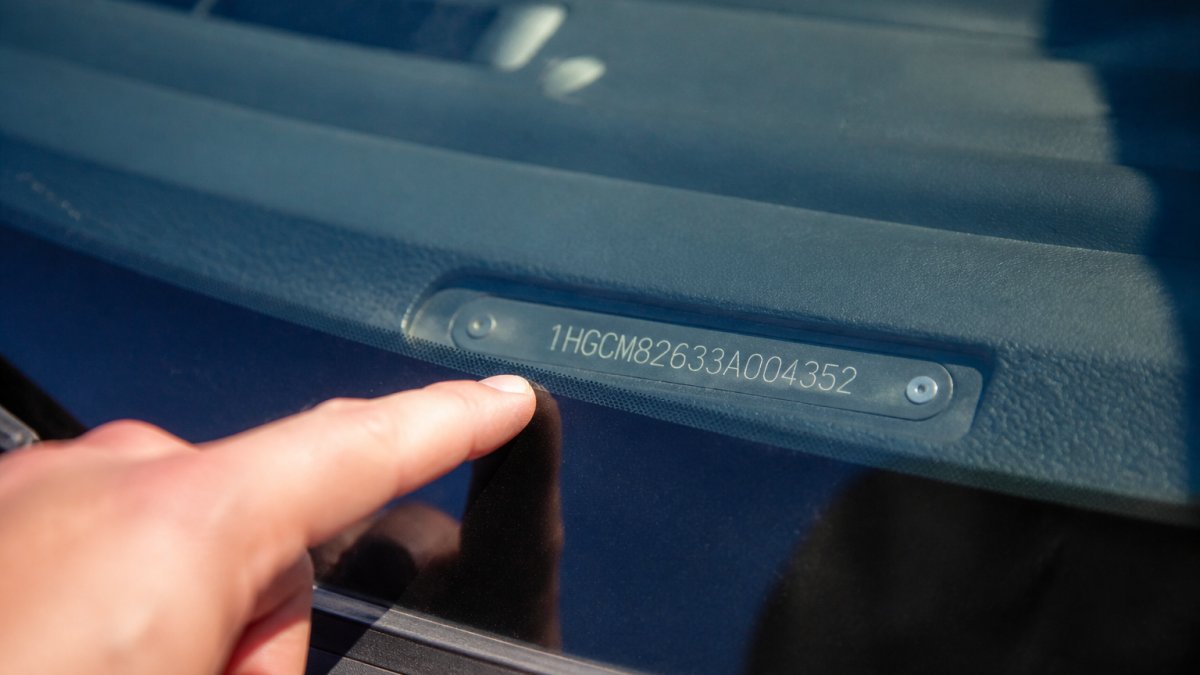 Close-up of a vehicle identification number (VIN) plate mounted on a car's dashboard, with a person's finger pointing to the 17-character alphanumeric code under natural sunlight
Step 1: Find and Verify the Vehicle Identification Number (VIN)
Your VIN is the key that unlocks all vehicle history information. This 17-character code is unique to every vehicle and acts as its fingerprint. Every accident, repair, recall, and ownership change is tied to this number.
Where to locate the VIN on the vehicle:
- Dashboard on the driver's side (visible through the windshield from outside)
- Driver's side door jamb (open the door and look at the frame)
- Engine block or frame (requires looking under the hood or underneath the car)
- Insurance documents or registration papers
Write down the VIN exactly as it appears. One wrong digit will pull up a different vehicle's history.
How to verify the VIN matches ownership papers: Compare the VIN on the vehicle itself to the VIN on the seller's registration, title, and insurance documents. If they don't match, stop. Do not proceed with the purchase. A mismatched VIN is a red flag for title fraud or a vehicle assembled from parts of multiple cars.
Check that the VIN format is correct: the first three characters identify the manufacturer and vehicle type, characters 4-8 describe the model and features, character 9 is a check digit, character 10 is the model year, character 11 is the assembly plant, and characters 12-17 are the serial number. If the format looks wrong, the VIN may be altered.
Step 2: Obtain a Vehicle History Report
A vehicle history report is your window into what happened to the car before you saw it. These reports pull data from insurance claims, police reports, service records, and government registration databases. The report shows accidents, damage claims, title changes, and whether the vehicle was ever declared a total loss.
Free government checks: Where to start
Every province offers a free vehicle-status check through its motor vehicle registry. In Ontario, use the ServiceOntario website; in British Columbia, check the ICBC database; in Alberta, use the Alberta Registry Agents system. These free checks confirm:
- Current registration status and expiry date
- Whether the vehicle is registered in the province
- Outstanding liens or security interests against the title
- Whether the vehicle has been reported stolen
- Basic title brand information (salvage, rebuilt, flood damage)
The free check takes 10 minutes and costs nothing. It answers the critical question: "Can I legally own this vehicle?" Start here before spending money on anything else.
Paid reports: Accident and service history
Paid reports from services like Carfax and AutoCheck cost $20-$30 per report and include:
- Detailed accident and insurance-claim history with dates and severity
- Service records from participating dealerships and repair shops
- Odometer readings tracked over time
- Title-brand history and ownership changes
- Recall information and warranty status
- Whether the vehicle was ever reported as a total loss
These reports pull from insurance databases, police records, and service networks that free government checks do not access. A paid report is admissible in disputes and covers significantly more data sources. For a vehicle you're seriously considering, the $20-$30 investment typically pays for itself if it reveals a hidden accident or major repair.
The recommended workflow
-
Start with the free provincial check (10 minutes, $0). Confirm the title is clear, no liens exist, and the vehicle is registered. If the title is branded (salvage, rebuilt, flood), you now know before spending more. If liens appear, stop, do not proceed unless the seller proves they will be cleared at closing.
-
If the free check passes, order a paid report ($20-$30). This reveals accident history, service records, and mileage tracking. Most buyers find this step essential because unreported accidents and service gaps are invisible to free checks.
-
Cross-reference both reports. The free check shows title status; the paid report shows accident history. Together, they give you a complete picture. If either report shows red flags, investigate further before committing.
Why you need both
Free checks are fast and confirm legal ownership, but they miss accident claims that were settled without insurance (paid out of pocket) and service records from independent shops. Paid reports are thorough but don't always catch recent title changes or provincial-specific liens. Using both ensures you're not blind to either legal or mechanical issues.
Many buyers skip the free check and go straight to a paid report, missing the chance to catch a lien or title problem early. Others rely only on the free check and miss accident history. The combination costs under $40 and takes under an hour, and it's the most cost-effective way to avoid buying a vehicle with hidden problems.
Step 3: Review Accident and Damage History
Your vehicle history report will list reported accidents and insurance claims. Read this section carefully. It shows the date of each incident, whether the damage was major or minor, and whether the vehicle was declared a total loss.
Look for patterns. A single minor fender bender years ago is normal. Multiple accidents in a short timeframe suggests either careless driving or a vehicle that's been in someone's care who doesn't maintain it well. Major collision damage that was repaired raises questions about whether the repair was done properly.
Pay attention to the severity descriptions. "Minor damage" might mean a small dent. "Major damage" means structural or frame damage. Frame damage is serious. Even if repaired, a vehicle with frame damage is worth significantly less and may never handle the same way.
Not all accidents are reported to insurance. A seller might have paid for repairs out of pocket. This is why a physical inspection by a trusted mechanic is essential after you review the report.
Step 4: Check Title Status and Salvage Records
Your vehicle history report shows the vehicle's title status. This is critical. A clean title means the vehicle was never declared a total loss. A salvage title means the insurance company declared it totaled, then it was repaired and resold. A rebuilt title means a salvaged vehicle passed inspection and is now legal to drive.
A salvage or rebuilt title significantly reduces the vehicle's value and resale potential. Many buyers avoid these vehicles entirely. Some buyers accept them if the repair was done well and the price reflects the risk. The choice is yours, but you must know what you're buying.
Check whether the title has been branded for other reasons: flood damage, lemon law buyback, or odometer issues. These brands stay with the vehicle permanently and affect its value and insurability.
Step 5: How to Get a Lien Search on a Car
A lien is a legal claim against the vehicle. If the seller still owes money on the car, the lender has a lien. Buying a vehicle with an outstanding lien means you don't actually own it, the lender does, until the loan is paid off.
To get a lien search on a car, contact the provincial motor vehicle registry or use a title search service. You'll need the VIN and the seller's name. The search reveals whether any liens are registered against the vehicle.
Ask the seller directly: "Is there any money still owed on this vehicle?" If yes, confirm the lender will release the lien once the loan is paid at closing. Never buy a vehicle with an active lien unless the seller proves the lien will be cleared before you take ownership.
Step 6: Verify Odometer Readings and How to Spot Odometer Fraud
Odometer fraud happens when someone rolls back the mileage to make a high-mileage vehicle appear newer. This is illegal and common enough that you need to check for it.
Compare the mileage shown on the vehicle history report to the current odometer reading. They should match or show reasonable additional miles since the last report. A significant drop in mileage between report entries is a red flag for odometer fraud.
Check service records. If the vehicle has 50,000 miles on the odometer but service records show 120,000 miles of maintenance, the odometer has been tampered with.
Look at the condition of wear items. High-mileage vehicles show wear: worn brake pads, faded upholstery, worn steering wheels. If the odometer shows 40,000 miles but the interior looks like it's seen 150,000 miles, something is wrong.
Step 7: Confirm Service Records and Open Recalls
Service records tell you how well the previous owner maintained the vehicle. Regular oil changes, fluid top-ups, and scheduled maintenance indicate a cared-for vehicle. Spotty or missing records suggest neglect.
Your vehicle history report includes service records from dealerships and participating repair shops. If the vehicle was serviced at independent shops, ask the seller for receipts. A vehicle with a full service history is worth more and is a safer bet.
Check for open recalls. Your vehicle history report lists recalls that haven't been addressed. A recall means the manufacturer identified a safety or defect issue. Some recalls are minor. Others are serious. Visit the government safety website (Transport Canada's Recall Database) to understand what each recall addresses and whether it's been completed.
If recalls remain open, confirm the seller will have them completed before you take ownership, or factor the repair cost into your offer.
What to Do When You Find Red Flags
Red flags don't always mean "don't buy." They mean "investigate further," "renegotiate the price," or "walk away." The key is knowing which red flags are deal-breakers and which can be resolved.
Deal-breaker red flags: Walk away
- Salvage or rebuilt title with major collision damage: A vehicle declared a total loss and repaired is a high-risk buy. Even if the repair was done well, resale value is permanently reduced, and insurance premiums will be higher. If the damage was structural (frame, unibody), the vehicle may never handle the same way.
- Odometer fraud: A mileage discrepancy between the report and the odometer, or between service records and the odometer, indicates intentional tampering. This is illegal and signals the seller is hiding the vehicle's true age and wear. Do not buy.
- Mismatched VIN: If the VIN on the vehicle does not match the VIN on the title or registration, stop immediately. This is a sign of title fraud or a vehicle assembled from parts of multiple cars. You cannot legally own it.
- Active lien that won't be cleared: If the seller still owes money and cannot prove the lender will release the lien before closing, you do not legally own the vehicle. The lender does. Walk away.
Investigate further: Minor red flags
These issues warrant investigation but may not be deal-breakers:
Mileage gaps or inconsistencies
If the vehicle history report shows a jump in mileage (e.g., 50,000 miles one year, then 45,000 miles the next), or if the current odometer reading is significantly lower than the last report entry, ask the seller for an explanation. Possible reasons include:
- The vehicle was not driven for a period (legitimate)
- A service record is missing from the report (the vehicle was serviced at an independent shop not in the database)
- The odometer was rolled back (fraud)
Request service records from the seller to fill the gap. If the seller cannot provide receipts and cannot explain the discrepancy, have a mechanic inspect the vehicle's internal wear (brake pad thickness, engine hours, transmission fluid condition) to estimate true mileage. If wear does not match the odometer, walk away.
Unreported accidents or damage
If the vehicle shows signs of past damage (mismatched paint, uneven panel gaps, replaced body parts) but the history report does not list an accident, the damage may have been paid out of pocket and never reported to insurance. This is not fraud, it's common. However, you need to know the quality of the repair.
Have a pre-purchase inspection by a trusted mechanic. Ask them to check for:
- Paint thickness (use a paint-depth gauge; factory paint is typically 100-150 microns; repaired areas may be thicker or thinner)
- Welding quality and frame alignment (if structural damage was repaired)
- Rust or corrosion under the repair
- Alignment and suspension wear
If the repair was done well, the vehicle may be safe to buy at a reduced price. If the repair is poor or the frame is misaligned, walk away.
Title changes or ownership gaps
If the vehicle has changed hands multiple times in a short period, or if there are gaps in ownership history, ask the seller why. Possible reasons include:
- The vehicle was traded in and resold quickly (normal in the used-car market)
- The vehicle was inherited or transferred between family members (legitimate)
- The vehicle was flipped (bought and resold quickly for profit, often with cosmetic fixes masking mechanical problems)
Multiple ownership changes in under a year, especially combined with other red flags (accident history, service gaps), suggest the vehicle may be a problem car that dealers are trying to move.
Open recalls
Open recalls are not deal-breakers, but they indicate unresolved safety or defect issues. Visit the government safety website (Transport Canada's Recall Database) to understand the severity of each recall. Some recalls are minor (a software update), while others are serious (brake failure, fire risk).
If recalls are open, ask the seller to have them completed before you take ownership. If the seller refuses, factor the repair cost into your offer or walk away. Do not accept a vehicle with an unresolved safety recall unless the price reflects the risk and you plan to fix it immediately.
Service gaps or missing maintenance records
If the vehicle history report shows gaps in service (e.g., no records for 2-3 years), the vehicle may have been serviced at independent shops not in the database, or maintenance was skipped. Ask the seller for receipts from independent shops. If records are genuinely missing, have a mechanic inspect the vehicle to assess its condition.
Using red flags in negotiation
If you find a minor issue but still want to buy, use it to negotiate a lower price:
- Unreported accident with good repair: Reduce your offer by 5-10% to account for the repair history and potential resale impact.
- Open recall: Reduce your offer by the estimated repair cost (typically $200-$1,000 depending on the recall).
- Service gap: Reduce your offer by 3-5% to account for unknown maintenance history and potential hidden wear.
- Mileage discrepancy (if explained): Reduce your offer by 2-3% if the explanation is plausible but unverified.
Always get a pre-purchase inspection before finalizing the negotiation. The mechanic's findings may reveal additional issues that justify a further price reduction or walking away entirely.
When to walk away
If the seller becomes defensive, refuses to provide documentation, or cannot explain red flags, that is a signal to walk away. A trustworthy seller will have records, will answer questions directly, and will welcome a pre-purchase inspection. If the seller resists any of these, the vehicle likely has hidden problems. There are always other vehicles.
Common Mistakes to Avoid When Checking Vehicle History
Skipping the physical inspection. A report is not a substitute for having a mechanic inspect the vehicle. Reports miss internal engine problems, transmission issues, and electrical faults. Always get a pre-purchase inspection.
Trusting the seller's word. "I've never had any accidents" doesn't mean the vehicle hasn't. Rely on the report, not the seller's recollection.
Ignoring small red flags. Mismatched VINs, missing service records, or unexplained gaps in ownership are worth investigating. Small red flags often point to bigger problems.
Buying without understanding the title status. A salvage or rebuilt title is not inherently bad, but you must know what it means and accept the consequences. Don't buy blind.
Forgetting to check for liens. Buying a vehicle with an outstanding lien is a legal nightmare. Confirm the title is clear before you commit.
| Step | What to Check | Why It Matters |
|---|---|---|
| 1 | VIN verification | Confirms vehicle identity and prevents fraud |
| 2 | Vehicle history report | Reveals accidents, damage, and service history |
| 3 | Accident history | Shows collision damage and repair quality |
| 4 | Title status | Identifies salvage, rebuilt, or clean titles |
| 5 | Lien search | Ensures you can take ownership free and clear |
| 6 | Odometer readings | Detects fraud and verifies actual mileage |
| 7 | Service records | Indicates maintenance quality and reliability |
The process to check used car history is straightforward once you know where to look. Start with the VIN. Pull a paid vehicle history report. Verify the title status. Get a lien search. Compare the odometer readings to service records. Confirm open recalls. Then have a mechanic inspect the vehicle in person.
This process takes a few hours and costs under $100. It's the difference between buying a reliable used vehicle and buying someone else's problem. The time and money you invest upfront pays for itself the moment you avoid a lemon.
Frequently Asked Questions
Is there a free way to check a car's history in Canada?
Yes. Provincial government vehicle-status checks often provide basic information at no cost, though they may have limited detail. Free online tools exist but typically offer less comprehensive data than paid reports. Paid reports from reputable sources usually cost between $20-50 and provide accident history, title status, odometer readings, recalls, and service records. For a thorough check before purchase, a paid report is worth the investment to avoid hidden damage or title issues.
How do I verify if a used car has outstanding liens?
A lien search reveals whether the previous owner still owes money on the vehicle. You can request a lien search through provincial government services or a third-party provider. The seller's ownership papers should show no outstanding liens, but a formal search confirms this. If a lien exists, the seller must clear it before transfer of title. This protects you from inheriting debt or legal claims against the vehicle.
What does 'not suitable for transportation' mean on a vehicle report?
This status indicates the vehicle has been declared unsafe or unfit for road use by authorities. It typically appears after major accidents, flood damage, or structural issues. A vehicle with this designation cannot be legally driven and may require extensive repairs before it can be re-registered. If you see this status, verify whether it has been cleared and the vehicle has passed a safety inspection before proceeding with purchase.
What specific details should I look for in a vehicle history report?
Focus on accident and collision damage records, title status (check for salvage or rebuilt titles), odometer readings for mileage consistency, service and maintenance history, open recalls, and warranty information. Cross-reference the VIN on ownership papers to ensure it matches the report. Look for gaps in service records, multiple owners in a short time, or sudden mileage jumps, as these can signal problems. Compare the reported condition against a physical inspection.
When you're ready to buy, you want a dealer you can trust. Variety Auto offers a curated selection of quality used vehicles with transparent history and full disclosure. Our team can walk you through the vehicle history, explain what you're seeing in the report, and help you make an informed decision. See our inventory online, apply for financing, or get a trade-in appraisal, all with the professional guidance you need to buy with confidence.