Introduction
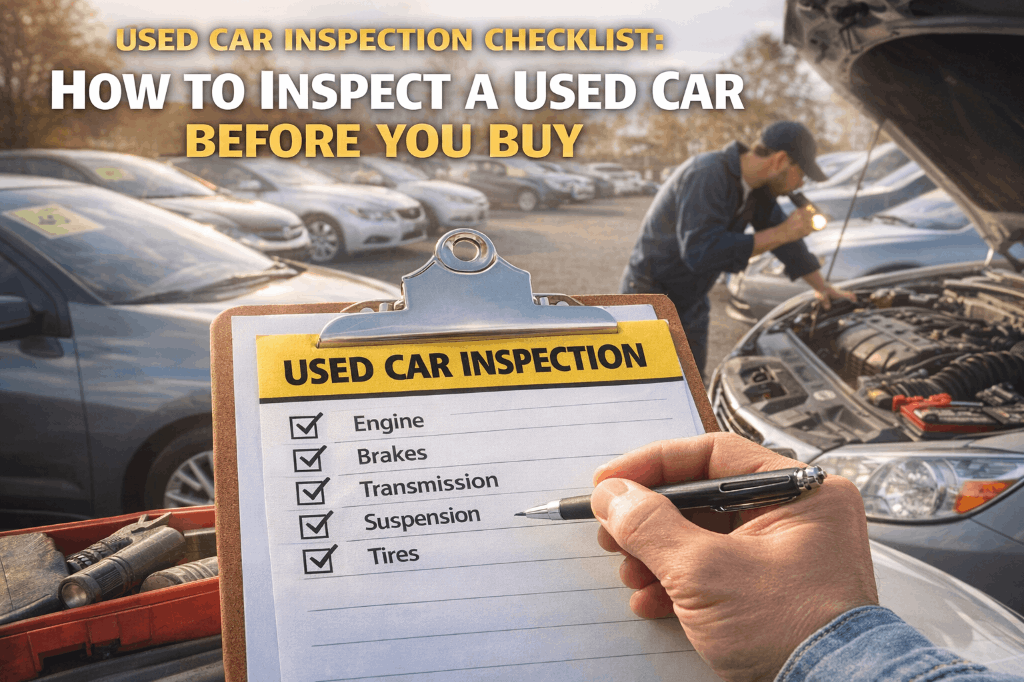
A used car can look excellent in photos and still have expensive problems underneath. Clean paint, a polished interior, and a decent listing do not tell you everything. Some issues only show up when you inspect the car properly.
That is why inspection matters so much. It helps you slow down, stay objective, and spot warning signs before you commit to the wrong vehicle.
The good news is that inspection is not only for mechanics. A buyer can catch a lot with a structured process. You may not diagnose every issue on your own, but you can still learn how to check the car more carefully, ask better questions, and notice when something does not feel right.
This page is built as a practical guide, not just a generic checklist. It will walk you through what to check before buying, where red flags often show up, and how to inspect a used car in a way that is realistic for everyday buyers.
As you move through the guide, you will also find related topics for going deeper, including test drives, used car red flags, vehicle history checks, and when a professional pre-purchase inspection is worth getting.
The goal is simple: help you inspect more confidently, compare vehicles more clearly, and reduce the chance of buying a used car in Vancouver that becomes expensive after the sale.

Quick Answer: What Should You Check Before Buying a Used Car?
Before buying a used car, check the parts that tell you the most about condition, care, and risk. That means looking at the exterior, interior, tires, engine area, warning lights, paperwork, and how the car behaves on the road.
A proper inspection is not about proving the car is perfect. Very few used cars are. The real goal is to reduce avoidable risk, catch expensive warning signs early, and make a more informed decision before money changes hands.
A smart inspection is not guesswork. It is a structured way to slow down and look at the vehicle with more discipline.
The main areas every buyer should inspect
Every buyer should pay attention to these core areas:
- Exterior — body condition, paint consistency, rust, dents, and signs of past damage
- Interior — seats, trim, controls, electronics, smells, and overall wear
- Tires — tread depth, uneven wear, condition, and whether the tires match
- Under the hood — visible leaks, fluid condition, battery, belts, and general engine-bay condition
- Warning lights — anything on the dash that suggests a system problem or ignored issue
- Paperwork — service records, vehicle history, ownership details, and other key documents
- Road behavior — how the car starts, steers, brakes, shifts, and feels during a test drive
Why a checklist matters
A checklist helps buyers stay objective. It keeps you from getting distracted by appearance, price, or first impressions.
It also helps you avoid missing basic but important items. When buyers inspect casually, they often forget obvious things.
Most importantly, a checklist makes it easier to compare vehicles fairly. If you use the same process on every car, the differences become much clearer.
Why Inspection Matters More Than Many Buyers Realize

Many buyers pay too much attention to how a car looks in the listing and not enough attention to its actual condition. Good photos, clean paint, and a polished interior can create confidence very quickly, but none of those things tell the full story.
Condition matters more than presentation because small issues can turn into larger costs after the purchase. A worn tire, a fluid leak, weak brakes, or a warning light may not seem dramatic in the moment, but they can change the value of the deal fast.
That is why inspection matters. It protects your budget, but it also protects your confidence. A buyer who inspects carefully is less likely to rush, guess, or end up feeling stuck with a bad decision.
A clean-looking car can still hide expensive problems
A used car can look well cared for and still have mechanical issues, accident-related repairs, poor maintenance history, or signs of neglect underneath the surface. Cosmetic condition matters, but it should never be mistaken for proof that the car is sound.
Inspection helps you avoid emotional buying mistakes
When a car looks good, drives decently, or seems like a rare deal, buyers can start making excuses for what they are seeing. A structured inspection helps you stay objective. It brings your attention back to condition, history, and risk instead of letting the decision become emotional.
The lower the price, the more inspection matters
Lower-priced used cars can offer good value, but they often come with less room for error. If the vehicle needs immediate work after purchase, the savings disappear quickly. That is why inspection matters even more at the lower end of the market. A cheap car is only a good deal if the condition makes sense.
Before You See the Car: What to Check First

A used car inspection does not start when you arrive to see the vehicle. It starts earlier, with the way you review the listing, the questions you ask, and the records you try to confirm before making the trip.
This step matters because it helps you screen out weak options early. The goal is not to investigate every detail from a distance. It is to avoid wasting time on cars that already show signs of risk, poor transparency, or missing information.
Review the listing carefully
Start with the listing itself. Look closely at the photos, the quality of the description, and how complete the information is.
Pay attention to things like:
- whether the photos show the car clearly from multiple angles
- whether the description feels specific or vague
- whether important details are missing
- whether the information seems inconsistent from one part of the listing to another
A weak listing does not always mean a bad car, but it can be an early sign that you need to ask more questions before moving forward.
Ask key questions before you go
Before visiting the vehicle, ask a few basic questions that help you understand the situation better.
Useful questions include:
- Who owns the car now?
- Has it been in any accidents?
- Are there maintenance records available?
- Does the seller know about any current issues?
- Why is the car being sold?
The answers do not need to be perfect, but they should be clear and direct. Vague responses, changing details, or unnecessary pressure can be warning signs on their own.
Check the vehicle history and available records
If records are available, review them before you go. Service history can tell you a lot about how the car was maintained. A vehicle history report, when available, may help confirm accident information, registration-related details, and other ownership history.
It is also worth checking recall status where possible. This step will not tell you everything about the car, but it can help you decide whether the vehicle is worth seeing in person at all.
Used Car Exterior Inspection Checklist

The exterior gives you some of the first real clues about how a used car has been treated. You are not just looking for cosmetic flaws. You are looking for signs of damage, neglect, rushed repair work, and anything that suggests the condition may not be as clean as it first appears.
A good exterior inspection should be slow and visual. Walk around the vehicle fully. Look at it from close up, then step back and look again from a distance.
Body condition and panel consistency
Start with the body panels.
Look for:
- dents
- scratches
- rust spots
- mismatched paint
- uneven panel gaps
A few small marks are normal on many used cars, especially older ones. What matters is whether the wear feels consistent and honest, or whether something looks off. Uneven gaps, obvious paint mismatch, or damage concentrated in one area can suggest previous repairs or poor bodywork.
Glass, lights, and mirrors
Next, check the parts buyers often overlook.
Look at the:
- windshield and windows for cracks or chips
- headlights and taillights for moisture or damaged lenses
- mirrors for cracks, loose fitment, or missing pieces
These issues can affect both cost and safety. Even something that seems minor, like moisture inside a light housing, can point to damage or poor sealing.
Signs of past damage or rushed cosmetic repair
Some used cars have been repaired properly. Others have only been cleaned up enough to look acceptable in photos.
Watch for signs such as:
- overspray on trim or edges
- color mismatch between panels
- poor alignment around doors, hood, or trunk
- an inconsistent finish from one panel to the next
These clues do not always prove major damage, but they should make you look more closely and ask better questions.
What normal wear looks like vs warning signs
First-time buyers sometimes worry too much about small cosmetic flaws and not enough about bigger condition clues. Light scratches, minor stone chips, or small marks can be normal for a used vehicle.
Warning signs are different. Rust, obvious repair inconsistency, poor panel fit, cracked glass, or multiple clues pointing in the same direction matter more than everyday wear. The goal is not to reject a car because it is imperfect. It is to tell the difference between normal use and signs of deeper problems.
Tires, Wheels, and Suspension Clues

This part of the inspection is easy to overlook, but it can tell you a lot. Tires, wheels, and the way the car sits and drives often reveal how the vehicle was maintained and whether there may be hidden costs coming soon.
What tire condition can tell you
Start with the tires. They can reveal both current cost and possible underlying issues.
Look for:
- tread wear
- uneven wear from one side to the other
- mismatched tires
- age clues such as cracking or visibly old rubber
Even wear usually suggests the car has been tracking more normally. Uneven wear can point to alignment, suspension, or maintenance issues. Mismatched tires are not always a deal-breaker, but they can suggest corners were cut or maintenance was done inconsistently.
Wheel damage and alignment clues
Check the wheels and pay attention to how the car sits and behaves.
Look for:
- curb damage
- bent-looking wheels or obvious marks
- signs the car may pull to one side
- whether the steering feels straight during the drive
A wheel with heavy curb damage may simply show rough use, but it can also suggest the car was not treated carefully. If the car pulls, feels uneven, or does not track straight, that may point to alignment or suspension concerns.
Why tires and suspension matter more than they seem
These details matter for three reasons: safety, cost, and hidden condition clues.
Tires affect grip, braking, and control. Replacing them can also be expensive. And when tire wear looks wrong, it can point to deeper neglect or suspension-related issues that go beyond rubber alone.
That is why this section matters so much. A used car can look good overall and still need immediate spending on tires, alignment, or suspension work. Buyers who ignore this area often miss some of the most practical clues on the car.
Interior Inspection Checklist
The interior matters for two reasons. First, it is the part of the car you will live with every day. Second, it often reveals how carefully the vehicle was treated overall.
A clean interior is good, but what matters more is whether the condition feels consistent, functional, and honest for the car’s age and mileage.
Seats, trim, and general condition
Start with the basics. Look at the seats, headliner, carpets, door panels, and trim.
Pay attention to:
- tears, stains, or sagging material
- cracked or broken trim pieces
- excessive wear on the driver’s seat or steering wheel
- general cleanliness versus obvious attempts to hide wear
Normal wear is expected in a used car. What you are looking for is whether the interior feels reasonably cared for or unusually rough for what the seller claims.
Controls, screens, locks, windows, and electronics
Test the parts that affect daily use.
Check:
- power windows
- locks
- mirrors
- climate controls
- infotainment screen
- backup camera if equipped
- seat adjustments
- lights and basic electronic functions
A used car can look fine and still have small electrical or convenience issues that become annoying or expensive later. It is better to find them now than after the purchase.
Dashboard warning lights
Dashboard warning lights should never be ignored. When the car is started, some lights may appear briefly, but they should go out as the system checks complete.
If warning lights stay on, especially for the engine, ABS, airbag, charging system, or other major systems, take that seriously. A warning light does not always mean the car is a complete write-off, but it does mean the buyer should stop guessing and get more clarity before moving forward.
Signs the car may have been poorly maintained
The interior can also reveal neglect.
Watch for:
- strong smells such as mold, smoke, or heavy air freshener used to cover something
- signs of moisture or leaks
- excessive wear that seems high for the mileage
- an interior condition that does not match the rest of the story
When the inside of the car feels heavily worn, poorly cared for, or inconsistent with what you were told, that can be a clue that maintenance was not handled carefully elsewhere either.
Under the Hood: What Buyers Can Check Without Being a Mechanic
You do not need to be a mechanic to learn something useful from the engine bay. The goal here is not to diagnose everything. It is to spot visible warning signs, get a better feel for how the car was maintained, and know when something deserves a closer look.
Fluid condition and visible leaks
Look for obvious signs of leakage and neglect.
Check for:
- wet or greasy areas that suggest fluid leaks
- low-looking fluid levels if visible
- dirty or sludgy fluid condition where it can be checked safely
- staining under the engine bay or around major components
You do not need to identify every fluid perfectly. What matters is whether the area looks dry and reasonably cared for, or whether it shows signs of seepage, buildup, or poor maintenance.
Battery, belts, and general engine-bay condition
Next, look at the overall condition under the hood.
Pay attention to:
- battery condition and obvious corrosion around the terminals
- belts that look cracked, worn, or unusually loose
- missing covers, loose parts, or rough-looking repairs
- whether the engine bay looks simply used or obviously neglected
A clean engine bay is not automatically a good sign, and a dusty one is not automatically bad. The real question is whether the condition looks normal and consistent, or whether it raises concern.
What looks normal and what should make you cautious
Some age, dust, and everyday wear are normal in a used car. What should make you more cautious are things like active leaks, burnt smells, obvious corrosion, damaged components, or a general sense that the area has been poorly maintained or hastily cleaned.
One clue on its own may not mean much. Several clues together usually matter more.
When under-hood inspection is not enough
An under-hood check is useful, but it has limits. A buyer can catch visible problems, but not every issue will show itself this way. That is why this part of the inspection should build confidence, not false certainty.
If something looks off, if warning lights are present, or if the car has other red flags, that is where a professional pre-purchase inspection becomes much more important.
How to Test Drive a Used Car Properly
A test drive is one of the most useful parts of the inspection process. It gives you a chance to feel how the car behaves in motion, not just how it looks when parked. The goal is not to take a quick spin around the block. It is to notice how the vehicle starts, responds, and handles in real conditions.
What to notice when starting the car
If possible, start the car when the engine is cold. That can reveal more than a warm restart.
Pay attention to:
- how easily the car starts
- unusual sounds at startup
- rough idle or shaking
- whether warning lights stay on after the engine is running
A smooth start is a good sign. Struggling, rattling, smoke, or lingering warning lights deserve closer attention.
What to watch during city driving
During lower-speed driving, focus on how the car responds to normal use.
Watch for:
- braking that feels smooth and even
- steering that feels stable and predictable
- acceleration that feels normal, not hesitant or jerky
- transmission behavior that feels clean, not rough or delayed
City driving is where many common problems show up. Stop-and-go traffic, turns, and low-speed braking can reveal issues that a quick straight-line drive might miss.
What to watch during higher-speed driving
If possible, drive the car at a higher speed as well.
Pay attention to:
- vibration through the steering wheel or seat
- whether the car tracks straight
- unusual wind, tire, or mechanical noise
- overall stability and confidence at speed
A car that feels fine at low speed can still show problems once speed increases.
How the test drive should influence your decision
The test drive should help confirm whether the car feels healthy or whether it raises more questions. It is not the time to explain away obvious issues because the price seems good or the car looks appealing.
If the vehicle pulls, shakes, hesitates, shifts poorly, brakes badly, or makes concerning noises, take that seriously. A used car does not need to feel perfect, but it should not force you to ignore problems just to make the deal work.
Used Car Red Flags Buyers Should Not Ignore
Some problems are minor. Others are signs that the deal may not be worth the risk. The key is to know the difference and take warning signs seriously before you commit.
Red flags in the car itself
Certain problems should immediately make you more cautious.
Watch for things like:
- unusual noises from the engine, suspension, or brakes
- smoke from the exhaust or engine area
- visible fluid leaks
- warning lights that stay on
- rough or delayed shifting
- signs of overheating, such as temperature issues or coolant smell
One issue does not always mean you should walk away right away. But several red flags together usually point to more risk, more cost, or both.
Red flags in the paperwork or seller behavior
Sometimes the warning signs are not on the car itself. They are in the way the vehicle is being presented.
Be careful if you notice:
- vague answers to basic questions
- missing service records with no clear explanation
- pressure to move fast
- details that change from one conversation to the next
A trustworthy sale should not depend on confusion, urgency, or guesswork.
When to walk away
Walking away is part of buying well. If the car shows multiple warning signs, if the story around it does not make sense, or if the seller makes it hard to inspect properly, it is often better to keep looking.
Confidence does not mean forcing a deal to work. It means being willing to say no when the risk stops making sense.
What a Pre-Purchase Inspection Is — and When You Should Get One
A pre-purchase inspection is a professional inspection done before you buy the vehicle. It is meant to uncover problems that may not be obvious during a normal buyer walk-around or test drive.
For many buyers, this is the step that turns uncertainty into clearer decision-making. It is especially helpful when the car looks promising but the buyer wants a more informed opinion before committing.
What a professional pre-purchase inspection can reveal
A professional inspection can reveal issues that are easy to miss without training or equipment.
That may include:
- mechanical problems that are not obvious from a short drive
- leaks or wear underneath the vehicle
- brake, tire, or suspension concerns
- signs of past damage or poor repair work
- maintenance issues that may lead to near-term expense
It does not guarantee a perfect vehicle, but it can reduce guesswork and help you understand what you are really buying.
When it is especially worth doing
A pre-purchase inspection is especially worth considering when:
- the vehicle is higher priced
- the vehicle is older
- something already feels suspicious
- the sale is private
- the history is incomplete or uncertain
In these situations, the cost of an inspection is often small compared to the cost of buying the wrong car.
Why your own checklist and a professional inspection are not the same thing
Your own checklist still matters. It helps you screen vehicles, stay objective, and catch visible problems early.
A professional inspection serves a different role. It goes deeper and helps confirm what a buyer cannot fully judge alone.
Both are useful. One helps you inspect smarter. The other helps you buy with less guesswork when the decision matters more.
How to Compare Two Used Cars More Objectively
When buyers compare used cars, it is easy to get pulled toward the one that looks better, feels newer, or creates a stronger first impression. A better approach is to compare both vehicles using the same process and the same standards.
Use the same checklist on every car
If you inspect one car carefully and another one casually, the comparison will not be fair. Use the same checklist each time so you are looking at the same areas in the same order.
That makes it easier to spot which vehicle is stronger overall, not just which one made the better first impression.
Compare condition, history, and likely cost after purchase
Price matters, but it should not be the only comparison point.
Look at:
- overall condition
- service history
- signs of past damage
- current red flags
- likely maintenance or repair cost after purchase
A car that costs slightly more upfront may still be the better value if the condition is stronger and the risk is lower.
Do not let appearance outweigh inspection results
Appearance can influence buyers more than it should. A cleaner interior, shinier paint, or newer-looking wheels can distract from more important facts.
If the inspection results raise concern, take that seriously. A used car should be judged more by condition, history, and behavior than by presentation alone.
Common Used Car Inspection Mistakes Buyers Make
A lot of bad used car decisions do not happen because the buyer knows nothing. They happen because the buyer rushes, makes assumptions, or overlooks small details that mattered more than expected. Knowing the common mistakes can help you stay more disciplined.
Rushing the inspection because the car looks good
A clean-looking car can create confidence too quickly. Buyers sometimes assume the condition is solid because the vehicle presents well. That is exactly when it helps to slow down and inspect more carefully, not less.
Ignoring minor issues that point to bigger ones
Small issues are not always small. Uneven tire wear, a strange smell, a loose trim piece, or a slightly rough shift may seem easy to brush off, but they can point to deeper neglect or bigger future cost. Patterns matter more than isolated flaws.
Skipping the test drive or making it too short
Some buyers do only a very short drive or skip it almost entirely. That makes it easier to miss braking issues, steering problems, shifting concerns, vibration, or strange noises. A proper test drive should be long enough to reveal how the car actually behaves.
Focusing on price more than condition
A low price can distract buyers from what the car is really telling them. The better question is not whether the price looks good. It is whether the condition justifies the purchase. A cheap car with expensive issues is not a bargain.
Buying before checking documents and history
The car itself is only part of the decision. Buyers also need to check service records, history information, and ownership-related details where possible. Skipping that step leaves too much room for guesswork.
Assuming no warning lights means no problems
A dashboard with no warning lights is a good sign, but it is not proof that the car is problem-free. Some issues will not trigger a light, and some cars may still have concerns that only show up through inspection, driving behavior, or professional review.
What to Check When Buying a Used Car From a Dealer vs Private Seller
The inspection process does not completely change based on who is selling the car. A used vehicle still needs to make sense on condition, history, paperwork, and road behavior. But there are a few differences in what buyers should pay closer attention to depending on whether the sale is through a dealer or a private seller.
What stays the same in both cases
No matter where the car is coming from, the basics still matter:
- condition
- vehicle history
- test drive
- paperwork
- inspection discipline
A used car does not become a good buy just because it is being sold in a different setting. Buyers still need to inspect properly, ask questions, and compare the facts instead of relying on assumptions.
What buyers should pay closer attention to in a private sale
In a private sale, buyers usually need to take on more of the verification themselves.
That means paying closer attention to:
- whether the seller’s story stays consistent
- whether maintenance records are available
- whether ownership details are clear
- whether the seller seems open to a proper inspection and test drive
- whether anything feels rushed or unclear
A private sale may offer a lower price, but it also leaves less room for vague answers and guesswork.
What buyers should still verify at a dealership
A dealership setting can feel more structured, but buyers should still verify the basics. Condition still matters. History still matters. The test drive still matters.
Even in a dealership setting, buyers should still review the vehicle carefully, ask questions about records and condition, and avoid assuming that presentation alone is enough. The right approach is the same in both cases: stay practical, stay observant, and let the inspection guide the decision.
How Inspection Connects to Budget and Financing
Inspection is not just about finding problems. It is also about understanding value. A used car may look affordable at first, but the inspection process often shows whether the price actually makes sense once likely repair and ownership costs are considered.
A cheap car is not a bargain if inspection shows future cost
Low price alone does not create value. If inspection reveals worn tires, fluid leaks, rough shifting, warning lights, or signs of neglected maintenance, the car may become more expensive than it first appears. A cheap car only works as a bargain when the condition supports the price.
Inspection protects budget buyers from false value
Budget buyers usually have less room for mistakes after the purchase. That is why inspection matters even more in lower price ranges. It helps separate true value from vehicles that only look attractive because the asking price is low. In many cases, the inspection tells you whether the savings are real or misleading.
Why financing a poorly chosen car creates extra risk
Financing adds another layer to the decision. If a buyer finances a car with weak condition or hidden problems, they may end up paying for the loan and the repairs at the same time. That increases the pressure on the budget and makes a bad vehicle choice harder to recover from. A more careful inspection helps reduce that risk before the deal moves forward.
Used Car Inspection Checklist by Need
Not every buyer is looking for the same kind of help. Some want a better test drive process. Some want to understand red flags. Others want to know whether mileage, history, or seller type should change the way they inspect the car.
That is why this page also works as a starting point for more specific inspection-related topics. If you want to go deeper into the part of the process that matters most to you, continue with the most relevant guide below.
Continue with these related guides
- Used Car Test Drive Checklist
- Used Car Red Flags
- What Mileage Is Too High for a Used Car?
- Signs of a Bad Used Car
- Pre-Purchase Inspection: Is It Worth It?
- Dealer vs Private Seller Inspection Tips
- Budget Used Cars That Are Worth Inspecting Carefully
- How to Check a Used Car’s History Before Buying
- What to Bring When Inspecting a Used Car
- Questions to Ask Before Buying a Used Car
These guides can help you move from a general inspection process into the specific checks and decisions that matter most before you buy.
Take the Next Step With More Confidence
A better used car decision usually comes from a better inspection process. The more clearly you understand condition, history, and risk, the easier it becomes to move forward without guesswork.
Use this checklist when comparing vehicles
Do not use the checklist only once. Use it on every car you are seriously considering. A consistent process makes comparisons easier and helps you judge vehicles more fairly.
Shortlist the right cars before you visit
Use what you have learned here to screen weak options early. That saves time and helps you focus your energy on vehicles that are more likely to make sense in person.
Get more help before you commit
If something feels uncertain, slow down. Review the history, ask more questions, or consider a professional pre-purchase inspection before making the final decision.
Move forward only when the car makes sense on condition, not just price
A used car does not have to be perfect to be worth buying. But it should make sense based on condition, behavior, records, and likely cost after purchase. Price matters, but it should never be the only reason to move ahead.
Explore Used Car Inspection Resources
If you want to reduce risk before buying a used vehicle, the guides below can help you inspect more carefully, spot warning signs earlier, and make a better-informed decision. Explore these related posts to review condition checks, vehicle history concerns, test-drive tips, and other practical steps that support a safer used-car purchase.
- 20 Things to Check Before Buying a Used Car
- Used Car History Reports: What They Miss and Why It Matters
- Used Car Inspection Checklist (Printable Guide)
- What Mileage Is Too High for a Used Car?
- How to Read a Carfax Report Before You Buy
- Signs a Used Car Was in an Accident
- How to Test Drive a Used Car Properly
- Hidden Costs of Buying a Used Car
- How to Avoid Used Car Scams
- How to Buy an Affordable Used Car in Vancouver
- Used Cars Vancouver: A Practical Guide to Buying Smart in the Local Market
Take the Next Step With Confidence
Once you have a clearer idea of what to look for, the next step is to turn that research into action.
You can
- Browse our current used car inventory,
- Explore financing options,
- Contact our team with questions,
- Or book an appointment or test drive.
Whether you are still comparing options or feel ready to move forward, taking the next step with a clear process can help you buy with more confidence and less guesswork.
FAQ
What should I inspect before buying a used car?
Start with the key areas that reveal condition and risk: the exterior, interior, tires, engine area, warning lights, paperwork, and how the car behaves during a test drive. A good inspection looks at both what the car shows physically and what its records suggest about past care.
Can I inspect a used car myself without being a mechanic?
Yes. A buyer can catch a lot without being a mechanic, especially with a structured checklist. You may not diagnose every issue, but you can still spot warning signs, ask better questions, and decide when the car needs a professional inspection.
What are the biggest used car red flags?
Some of the biggest red flags include warning lights that stay on, smoke, fluid leaks, rough shifting, overheating signs, unusual noises, missing records, vague answers, and pressure to move too quickly.
Is a test drive enough when buying a used car?
No. A test drive is important, but it should be only one part of the process. A full inspection also includes the walk-around, interior checks, under-hood review, document review, and sometimes a professional pre-purchase inspection.
Should I always get a pre-purchase inspection?
Not always, but it is often worth it, especially for higher-priced vehicles, older cars, private sales, uncertain histories, or any situation where something feels off. A professional inspection can reduce guesswork before you commit.
What does uneven tire wear mean on a used car?
Uneven tire wear can point to alignment issues, suspension problems, neglected maintenance, or a combination of those things. It is not something buyers should ignore, because it may signal both current cost and deeper condition concerns.
How do I know if a used car has accident damage?
No single clue proves it on its own, but signs such as mismatched paint, uneven panel gaps, overspray, poor alignment, damaged lights, or inconsistent finish can all suggest past repair work. Vehicle history reports and a professional inspection can help confirm more.
What warning lights should make me walk away?
Any warning light deserves attention, but engine, ABS, airbag, charging system, and overheating-related lights should be taken especially seriously. A light staying on does not always mean the car is automatically a no, but it does mean you should stop guessing and get more clarity before moving forward.
What paperwork should I check before buying a used car?
Check any available service records, vehicle history information, ownership-related details, and recall status where possible. The paperwork helps confirm whether the car’s story matches the condition you are seeing.
Is a cheaper used car riskier to buy?
Often, yes. Lower-priced cars can still offer good value, but they usually leave less room for error. If inspection reveals immediate repair needs or signs of neglect, the savings can disappear quickly. That is why lower-priced cars usually need even more careful inspection, not less.